Your menu is too big — and it’s costing you money every day
Your menu is too big — and it’s costing you money every day
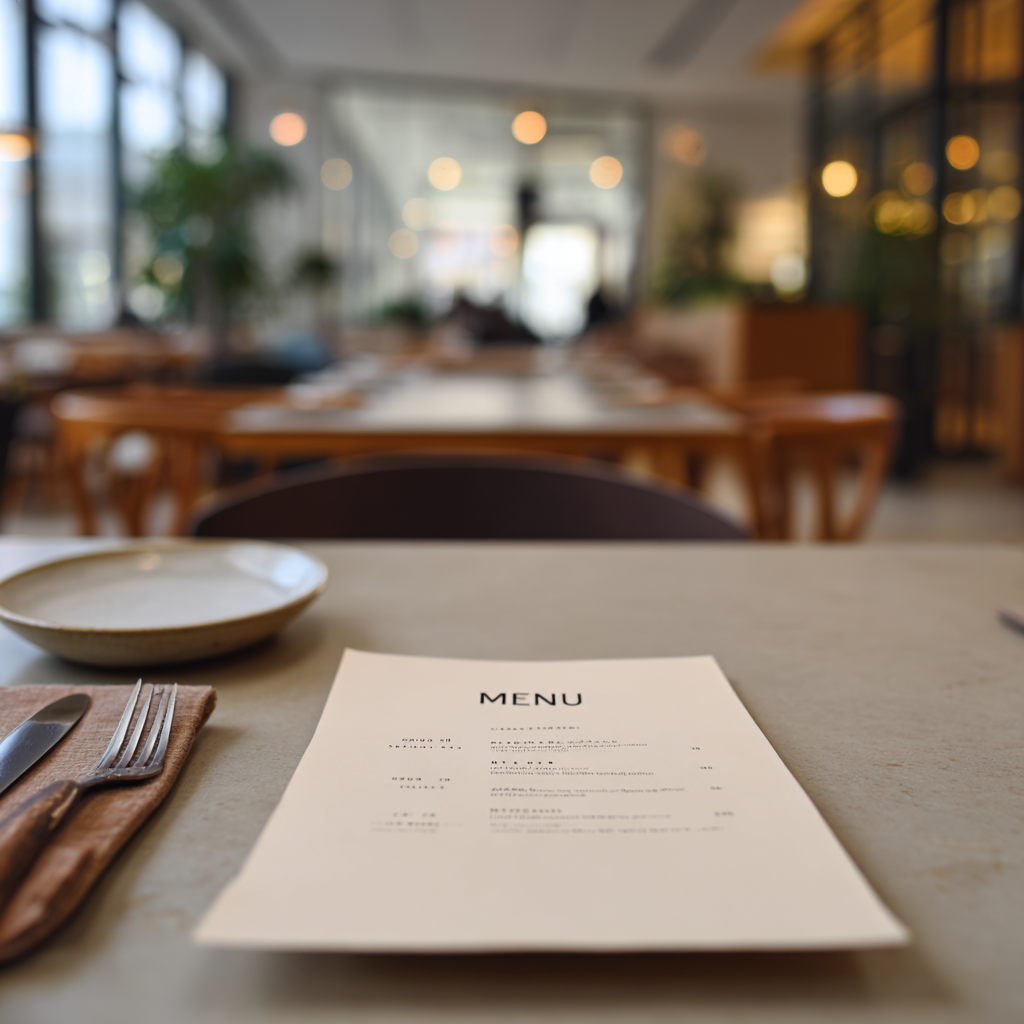
Big menus feel generous. They signal choice, flexibility, and the idea that every customer will find something they like.
In practice, oversized menus are one of the most reliable ways to destroy margins while increasing stress, waste, and inconsistency.
Restaurants don’t suffer because they offer too little. They suffer because they offer too much.
More items mean more ways to lose money
Every additional menu item adds cost and complexity.
More ingredients to stock.
More prep steps.
More training.
More room for mistakes.
What looks like variety is often just operational noise. And noise is expensive.
Most kitchens aren’t designed to execute large menus consistently. The result is uneven portions, higher waste, slower service, and quality that depends on who’s working that day.
Big menus hide bad performers
Large menus protect weak items.
When there are too many dishes, it becomes difficult to see which ones actually contribute to profit and which ones survive only because they’re rarely questioned.
A few strong items can mask many weak ones. As long as overall numbers look acceptable, underperforming dishes remain untouched.
This is how menus grow over time — not by strategy, but by accumulation.
Complexity kills consistency
Consistency is where profit lives.
The more items a kitchen must execute, the harder it becomes to:
- respect portions
- control prep loss
- maintain speed
- train new staff properly
Inconsistent execution increases food usage drift. Drift increases cost. And cost erodes margins silently.
Simpler menus are easier to control. Controlled menus are easier to scale.
Customers don’t want more choice — they want confidence
Too many options create decision fatigue. Customers hesitate. Service slows. Orders become less predictable.
Restaurants with focused menus guide customers toward items that are:
- easier to execute
- more consistent
- more profitable
This isn’t limiting choice. It’s designing it.
Smaller menus make better businesses
Restaurants that scale successfully remove items more often than they add them.
They focus on dishes that:
- perform well financially
- execute consistently
- work across channels
- don’t rely on perfect conditions to be profitable
Every item on the menu earns its place.
Simplification is a financial decision
Reducing menu size isn’t about creativity. It’s about economics.
If you don’t clearly know which items deserve to stay and which ones quietly drain profit, the menu controls you instead of the other way around. And that clarity only comes from seeing item-level performance and operational impact together — exactly the kind of visibility Kyze provides when menus need to be simplified with confidence instead of fear.