The signs your restaurant is built to become a chain
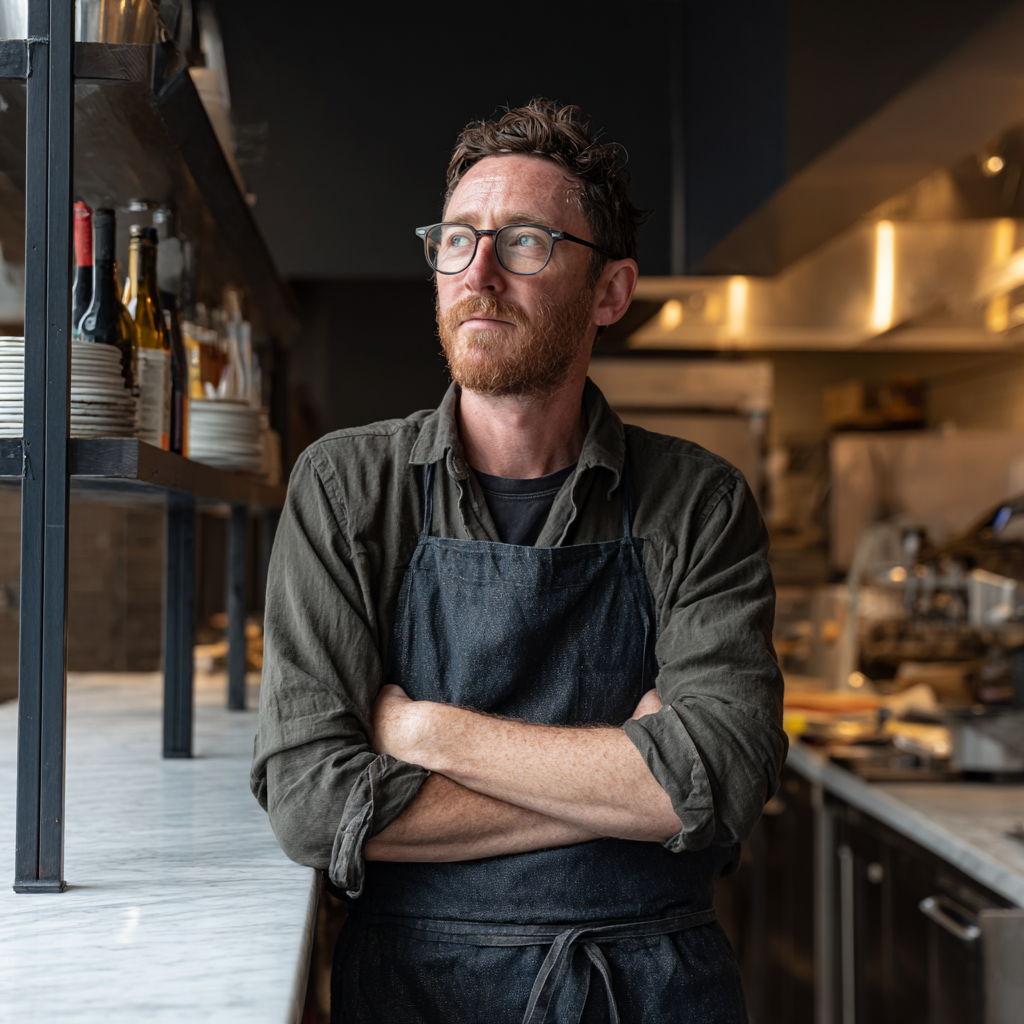
The signs your restaurant is built to become a chain
Most restaurants can open a second location.
Very few are actually built to.
Scaling isn’t about ambition. It’s about whether the business can reproduce itself without breaking.
Here are the signals that a restaurant isn’t just a good location — but a scalable model.
The business works without constant presence
If profitability depends entirely on the owner being on-site, the restaurant isn’t ready to scale.
Chain-ready restaurants have systems that:
- enforce consistency
- limit decision variability
- reduce dependence on individual behavior
Presence can improve performance, but it shouldn’t be required for survival.
Menus are designed for replication, not creativity alone
Scalable restaurants don’t rely on complexity.
Their menus:
- use repeatable ingredients
- limit prep variability
- are easy to train
- perform consistently across teams
Creativity exists, but it’s controlled. Complexity is intentional, not accidental.
Margins are predictable, not optimistic
Chain-ready restaurants know their numbers before they grow.
They understand:
- margin per item
- margin per channel
- cost sensitivity
Expansion doesn’t rely on hope. It relies on predictability.
If margins only work under “perfect conditions”, scaling will magnify losses.
Decisions are documented, not improvised
Restaurants that scale don’t reinvent decisions every week.
Pricing logic, portion rules, menu changes, and operational standards are documented and repeatable. This allows new locations to behave like the first one — not experiment with it.
Scaling fails when knowledge stays in people’s heads instead of systems.
Growth conversations are calm, not emotional
When a restaurant is ready to scale, expansion discussions feel structured.
Numbers are clear. Tradeoffs are understood. Risks are visible.
When growth is driven by frustration, ego, or exhaustion, it usually backfires.
Chain-ready restaurants expand from strength, not escape.
Scaling is a consequence, not a goal
Restaurants don’t become chains because they want to.
They become chains because their model is clear, controlled, and repeatable.
When owners clearly see what makes money, what breaks consistency, and what can be reproduced safely, growth becomes a logical next step — which is exactly where Kyze helps operators test scalability before multiplying risk instead of profit.