Why high-revenue restaurants still lose money
Why high-revenue restaurants still lose money
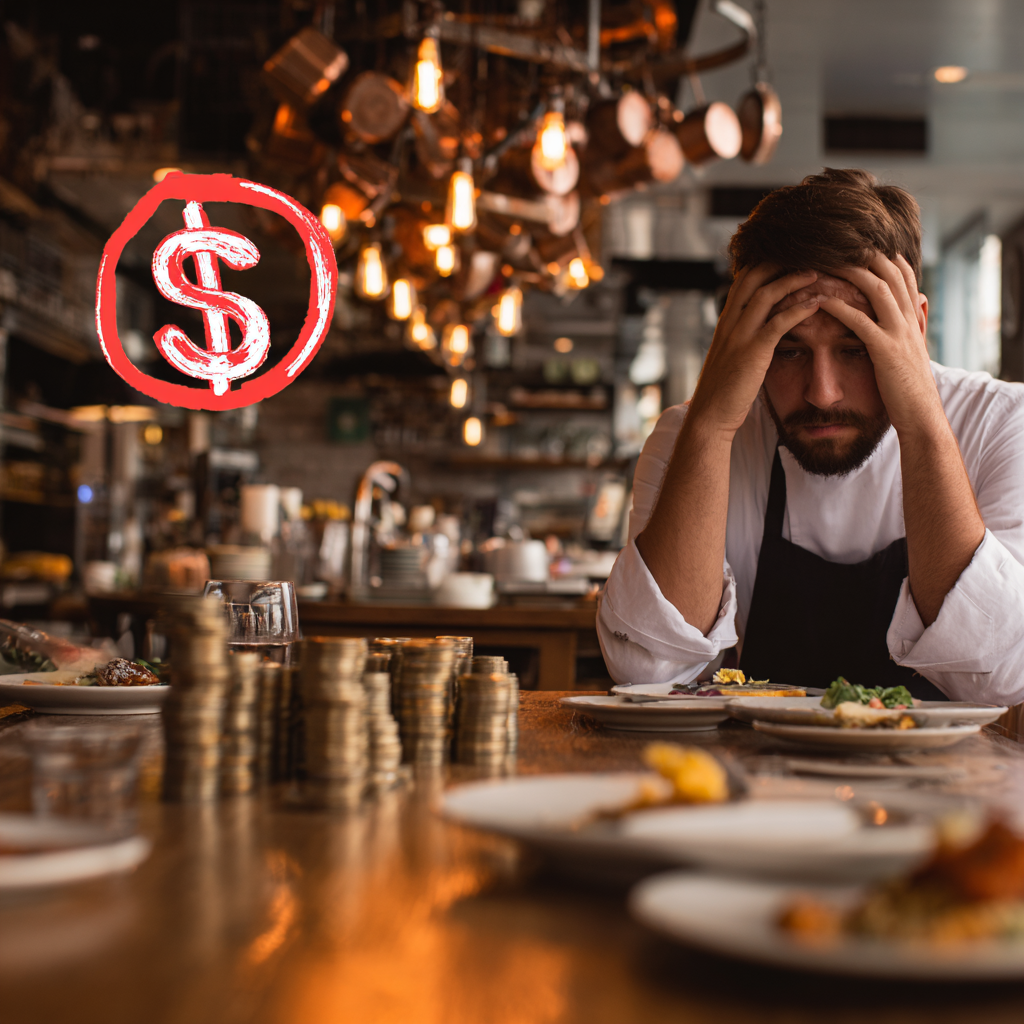
High revenue is one of the most dangerous illusions in the restaurant business.
Busy services, strong delivery volume, and impressive daily sales numbers often create the belief that the business is healthy. In reality, many high-revenue restaurants are quietly bleeding money while appearing successful from the outside.
The problem isn’t demand.
The problem is that revenue hides bad economics.
Revenue masks broken fundamentals
When sales are strong, problems don’t feel urgent. Portions drift. Waste increases. Pricing decisions are postponed. Delivery fees are absorbed “for now”.
As long as money keeps coming in, these issues stay invisible.
High revenue delays the moment of truth. It doesn’t prevent it.
Volume doesn’t fix bad margins — it multiplies them
If a dish is underpriced, selling it more doesn’t help.
It accelerates the damage.
Every additional order repeats the same mistake:
- the same wrong price
- the same uncontrolled portion
- the same ignored packaging cost
- the same delivery commission
Busy restaurants don’t fail despite volume.
They fail because volume amplifies weak fundamentals.
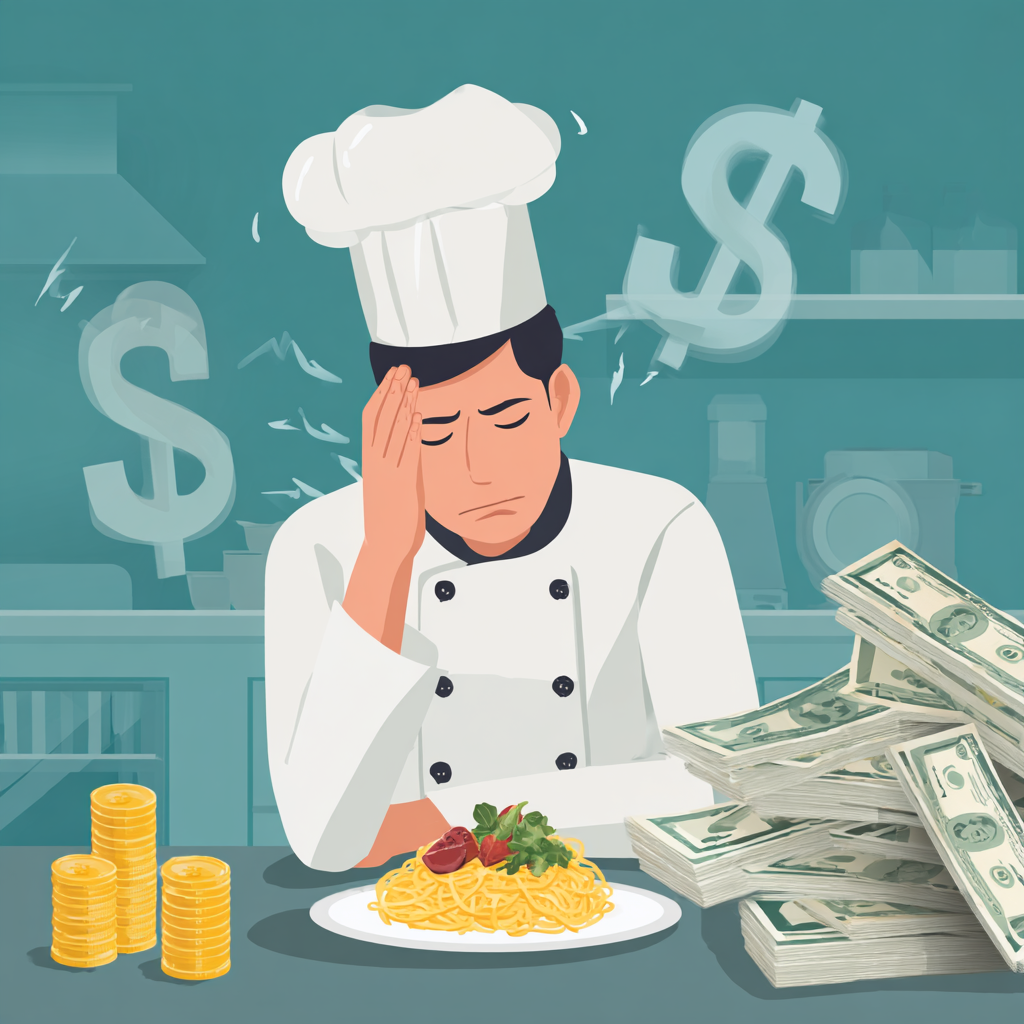
“High revenue hides margin problems until it’s too late.”
Where restaurant margins actually leakAverages lie. Item-level reality doesn’t.
Most restaurants look at global numbers:
- total revenue
- average food cost
- monthly margin
These averages are comforting — and misleading.
A few strong items can hide several unprofitable ones. A “good” food cost percentage can coexist with dishes that lose money every time they’re ordered. Without item-level visibility, restaurants push what sells instead of what pays.
This is how high revenue coexists with low profit.
Scaling without control exposes everything
The moment a restaurant tries to grow, weak economics surface.
More staff means more inconsistency.
More locations mean more waste.
More delivery means more margin pressure.
What felt manageable at one location becomes unmanageable at scale. Growth doesn’t create the problem — it reveals it.
Profit comes from clarity, not effort
Most struggling restaurants don’t lack effort. They lack visibility.
Knowing:
- what each dish should cost
- what it actually costs
- what it earns per channel
changes decision-making completely. Pricing becomes intentional. Menus become strategic. Growth becomes controlled instead of chaotic.
And if high revenue hasn’t translated into real profit yet, the solution isn’t more volume — it’s seeing exactly where money leaks at the order and item level, which is precisely what Kyze is designed to make visible before revenue turns into a liability instead of an asset.