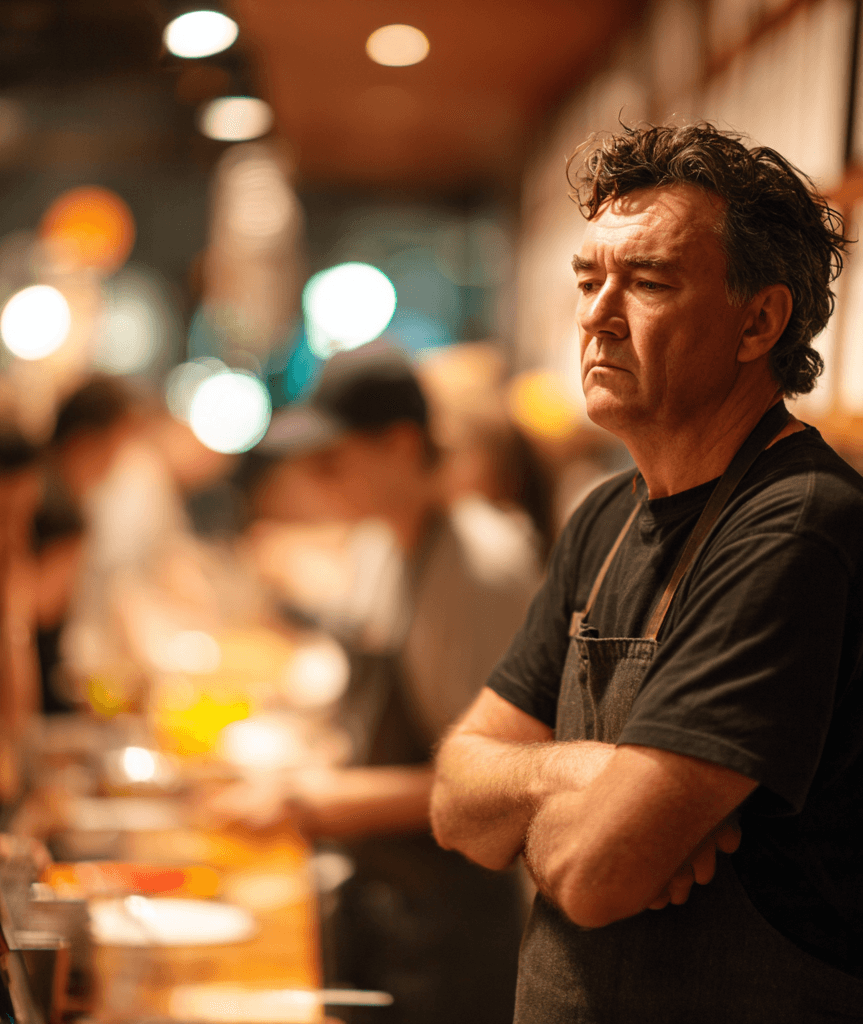
Stage 1: The margin compression nobody sees
Unprofitability almost always begins with margin compression — costs rising faster than revenue, or revenue declining slightly while costs hold. This stage is invisible in day-to-day operations. The restaurant looks and feels the same. Service continues. Customers keep coming. But the financial math has changed.
At this point, the numbers are telling the story — but only if someone is reading them. Food cost percentage has crept up two or three points. Labor cost is higher than the prior quarter. A supplier price increase wasn't passed through to menu prices. Each of these is individually manageable. Together, they erode the margin completely.
Stage 2: Operational shortcuts begin
As cash flow tightens, the first human response is often unconscious: the business starts cutting corners it would not have cut when healthy. Ordering decisions shift from quality to price. Portion sizes quietly shrink. Cleaning schedules stretch. Maintenance gets deferred. Staff are asked to stretch shifts rather than scheduling proper coverage.
These changes are rarely deliberate policy decisions. They are the accumulated result of a hundred small choices made under financial pressure. But their impact on the customer experience and on staff morale is real — and it begins showing in the data before it shows in the reviews.
The first people to notice a restaurant is in trouble are usually the staff. They see the supply deliveries getting smaller. They notice the maintenance isn't happening. They feel the tension. And they start looking for other options.
Stage 3: The cash flow crunch becomes visible
At some point, the margin compression translates into cash flow pressure. Payment timelines start stretching. The owner begins prioritizing which invoices to pay and which to defer. A supplier calls about an outstanding balance. A payroll date creates anxiety.
This is typically the first stage where the owner consciously acknowledges a problem exists — but by this point, the issue has been building for months. The cash flow crunch is not the problem; it is the symptom of margin compression that has been running for longer.
Stage 4: Revenue starts declining
As service quality degrades, customer experience suffers. Reviews worsen. Return visits decline. The operational shortcuts taken under financial pressure create the very revenue decline that makes the financial pressure worse. This is the spiral — operational quality drives customer behavior, which drives revenue, which drives the financial position, which drives operational decisions.
How to catch it before Stage 2
- Track food cost percentage weekly, not monthly. A two-point rise sustained over three weeks is a signal to investigate.
- Review your cash balance at the same time every week. The trend line matters more than the absolute number.
- Listen to your staff. If experienced team members are becoming disengaged or leaving, they may be responding to something you haven't fully registered yet.
- Do a quarterly cost audit — go through every supplier invoice and compare to prior quarter. Creeping price increases from suppliers are easy to miss until they've stacked up significantly.
- Set a personal rule: if you haven't reviewed the P&L in more than two weeks, that is itself a warning sign.
The window between early margin compression and a genuine crisis is real — usually three to six months — but it closes fast. The restaurants that recover are the ones whose owners catch the pattern while there are still options on the table.